
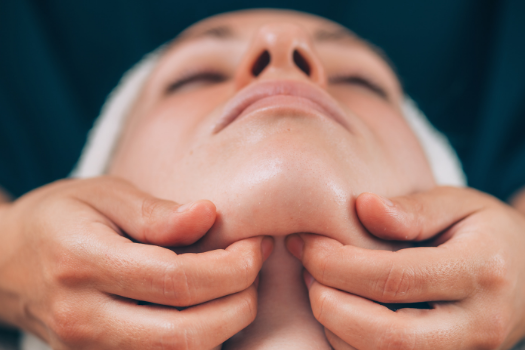
Jaw orthopedics is a relatively new field of medicine that focuses on diagnosing and treating disorders and conditions of the jaw. While many people may not think about the health of their jaw, it is actually quite important, as problems with the jaw can cause pain and difficulty chewing or speaking. A good jawline is also crucial for facial aesthetics. Fortunately, thanks to advances in jaw orthopedics, there are now treatments available to correct problems with the jaw.
Why Do I Need a Good Jawline?
Aesthetics aside, a good jawline is essential for overall facial health. The lower jaw, or mandible, is the only movable bone in the skull. This means that it plays a vital role in chewing and speaking. Additionally, the mandible helps support the teeth and soft tissues of the face. Well developed jaw structure is a key to good overall body posture and spinal alignment
The shape of your jawline can also affect your airway. A narrow or recessed chin can lead to problems with breathing, especially during sleep. This can cause snoring and sleep apnea, which can be detrimental to your health.
Growth Guidance Therapy
Our Growth Guidance Therapy for adults involves gently and safely stimulating the lifelong remodeling potential within the jaws and face. By correctly applying this therapy, the results are profound. These include creating room for crowded teeth, which aids the development of the face in a forward horizontal direction. This improves the appearance of the cheekbones, eyes, nose, and lower jawline. It also opens the airway, potentially eliminating sleep breathing problems, and dramatically improves the stability of the upper cervical complex C-1 and C-2, which are vital to total spinal alignment.
Do You Have TMJ Symptoms?
Temporomandibular joint disorder (TMJ/TMD) is a term used to describe a group of symptoms including sore, chipped, broken, or worn teeth; clicking or popping in the jaw; limited jaw movement; and chronic pain in the jaw, teeth, face, head, neck, shoulders, or back. Snoring, grinding of teeth, frequent ear infections, and restricted airway are also other problems associated with TMJ/TMD.
Neuromuscular Dentistry
Neuromuscular dentistry places the jaw into its optimal position, relieving the symptoms associated with TMJ. While traditional dentistry primarily evaluates the teeth, bones, and gums, neuromuscular dentistry works with the hard tissues and soft tissues, muscles, and nerves. Dr. Buck understands that your hard and soft tissues have a complex relationship and works to make that relationship a harmonious one.
Contact Us
Learn more about how Growth Guidance Therapy and Neuromuscular Dentistry can create a healthy balance for your face and mouth. Click here to meet with Dr. Buck for a consultation or call us at (425) 409-2291

